










Why Padel Is the Hottest New Sport for Women in the US
Padel is taking the United States by storm, and women are at the forefront of this sporting revolution. This fast-growing racket sport combines elements of tennis and squash in a smaller, enclosed court setting that fosters both competitive spirit and social connection. What began in Mexico and flourished in Spain has now captured the hearts of American women seeking an accessible, community-oriented athletic pursuit that doesn't require years of training to enjoy. The unique blend of accessibility, vibrant social atmosphere, and physical benefits has positioned padel as more than just another trending activity—it's becoming a movement that empowers women across age groups and fitness levels.
In this comprehensive guide, you'll discover why padel has become a favorite among women across America, how it's reshaping athletic communities, and why its inclusive nature makes it particularly appealing to female participants. You'll also learn about the physical and mental health benefits and how to join this thriving community regardless of your prior sports experience.
What is padel and why is it trending among US women?
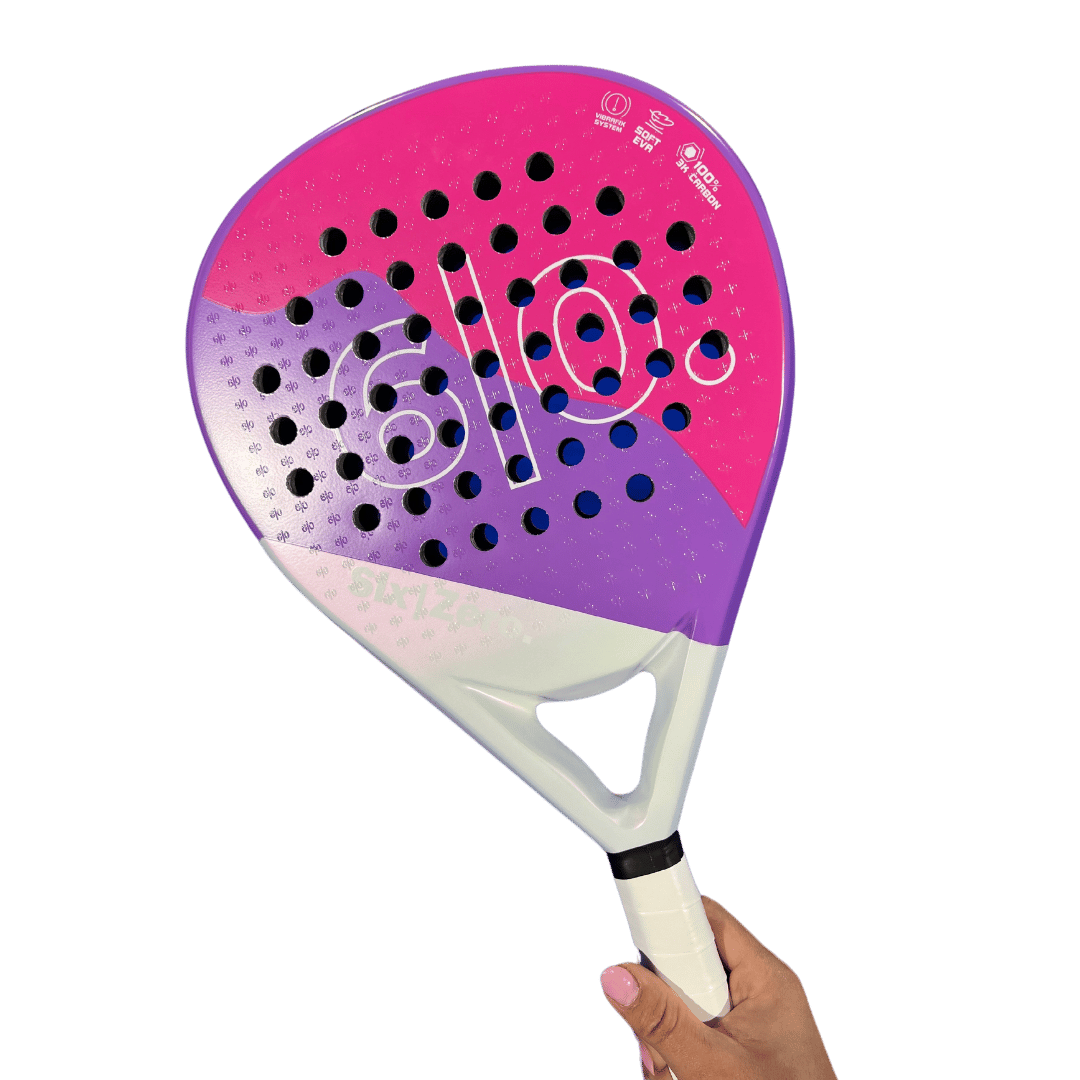
Padel is a racket sport typically played in doubles on an enclosed court about a third the size of a tennis court. The walls surrounding the court are part of the game, allowing players to hit the ball after it bounces off them—similar to squash but with a more accessible learning curve. The racket is solid and perforated, smaller than a tennis racket but larger than a ping-pong paddle, making it easier to control for beginners.
The appeal for American women stems from padel's perfect balance of exercise and enjoyment. Unlike tennis, where technical proficiency can take years to develop, most newcomers to padel can play enjoyable, competitive matches within their first few sessions. This immediate gratification factor has helped fuel its growth, especially in metropolitan areas like Miami, New York, Los Angeles, and Chicago.
The United States has seen notable expansion in padel facilities in recent years, with female participation growing alongside the sport's overall rise—women now make up a significant and growing share of players, a higher proportion than in many traditional racket sports.
This surge aligns with broader wellness trends that emphasize community-based fitness activities that deliver both physical benefits and social connection. American women are increasingly seeking athletic pursuits that fit their multifaceted lives and provide meaningful interaction alongside health benefits—exactly what padel offers.
Social connection and inclusivity: The heart of padel's female appeal
The inherently social nature of padel creates an environment where competition and connection coexist beautifully. For many women, this balanced approach to athletics represents a refreshing departure from high-pressure competitive environments or solitary fitness routines.
Played almost exclusively as doubles, padel naturally encourages communication, teamwork, and shared experiences. The smaller court size means players are constantly interacting, communicating strategies, and celebrating points together. This design creates natural opportunities for conversation and relationship building that extend beyond the game itself.
Many American padel clubs have recognized this social element as their greatest asset, creating programming specifically designed to foster female participation. From "Ladies Night" events to beginner-friendly clinics and social tournaments, these initiatives create entry points for women of all abilities. The mixed-gender nature of many padel events also offers a refreshingly equal playing field, where physical power differences matter less than strategy and court awareness.
Women who have joined padel communities frequently cite the inclusive atmosphere as a primary reason for their continued participation. The sport has become a welcome source of in-person connection for many. For many female participants, padel sessions transform from mere exercise appointments into cherished social gatherings.
The mental health benefits cannot be overstated. The combination of endorphin-boosting physical activity with genuine social connection creates a powerful wellness formula.
Many women report improvements in mood, reduced stress levels, and enhanced overall emotional well-being since taking up the sport.
Women-only and mixed padel leagues—a gateway to belonging
The strategic implementation of women-only programs alongside mixed competition has created an ideal progression pathway for female players. Specialized women's leagues provide a comfortable entry point for those who might feel intimidated by mixed competition initially, while gradually building skills and confidence.
This tiered approach allows women to choose environments that match their comfort levels while still providing clear paths for advancement.
Social media communities dedicated to women's padel have further strengthened this sense of belonging, creating spaces where players can share experiences, arrange matches, and celebrate achievements. These digital extensions of the physical padel community help maintain engagement even between court sessions.
The fitness and wellness edge: Physical benefits without the intimidation
Padel delivers impressive physical benefits in an approachable package that doesn't feel like traditional exercise. The sport offers a comprehensive workout that engages multiple muscle groups simultaneously while being gentler on joints than many alternatives.
During a typical hour-long padel session, players experience a mix of cardio bursts during rallies with brief recovery periods between points. This natural interval training pattern helps improve cardiovascular fitness without the monotony of programmed workouts. The varied movements—lateral shuffling, quick directional changes, overhead reaches, and controlled swings—engage core muscles, improve balance, and enhance coordination.
The enclosed court reduces ball retrieval time, keeping activity levels high throughout the session, offering a workout comparable to other popular fitness activities but with notably high enjoyment ratings.
For women concerned about injury risk, padel offers notable advantages over tennis and many team sports. The smaller court dimensions reduce the extreme stretching movements that often cause injuries, while the typically softer ball and solid racket minimize impact stress on wrists and elbows. This accessibility is particularly appealing to women returning to athletics after pregnancy, recovering from injuries, or simply seeking activities they can maintain through different life stages.
Perhaps most importantly, padel creates what fitness psychologists call "flow state"—that magical condition where you're so engaged in an activity that you forget you're exercising. This psychological benefit helps women maintain consistent participation where other fitness routines often falter after initial enthusiasm wanes.
The combination of moderate intensity, social engagement, and skill development creates a sustainable fitness approach that many women find they can maintain year-round, unlike seasonal sports or periodic fitness challenges.
Growing visibility for women in padel
The visibility of elite female padel players has significantly contributed to the sport's popularity among American women. International stars have demonstrated that women's padel can be just as dynamic, strategic, and entertaining as men's competition.
While the United States is still developing its professional female talent pool, several former tennis players and athletes from other disciplines have begun transitioning to padel, accelerating the development of high-level American competitors. These crossover athletes bring valuable perspectives and help establish paths for younger players.
Professional padel continues to grow globally, with women's divisions increasingly gaining more visibility, media coverage, and sponsorship interest.
Social media has amplified these professional showcases, with female padel content generating strong engagement across platforms. This visibility creates a virtuous cycle: as more women see others like themselves enjoying the sport, participation broadens further across demographics.
How US clubs and events champion female empowerment
Forward-thinking padel facilities have implemented comprehensive programs designed to nurture female participation at all levels. Many clubs offer specific coaching pathways for women, discounted introduction packages, and flexible scheduling that accommodates diverse life responsibilities.
Several padel organizations and clubs have begun exploring scholarship and mentorship programs targeting women and girls from underrepresented communities, aiming to help the sport's growth include diverse participants.
Women-focused tournaments with graduated skill divisions create appropriate competitive opportunities regardless of experience level. The celebration of female achievement within these events helps establish padel as a sport where women's contributions are valued equally to men's—a powerful message that resonates with participants and observers alike.
Accessibility, beginner-friendly atmosphere, and pathways to get started
One of padel's greatest strengths is its remarkably flat learning curve. Most newcomers can enjoy satisfying rallies within their first session—a stark contrast to sports like tennis or golf that may require extensive practice before feeling competent. The forgiving nature of the padel racket, the contained court space, and the ability to use walls all contribute to this immediate playability.
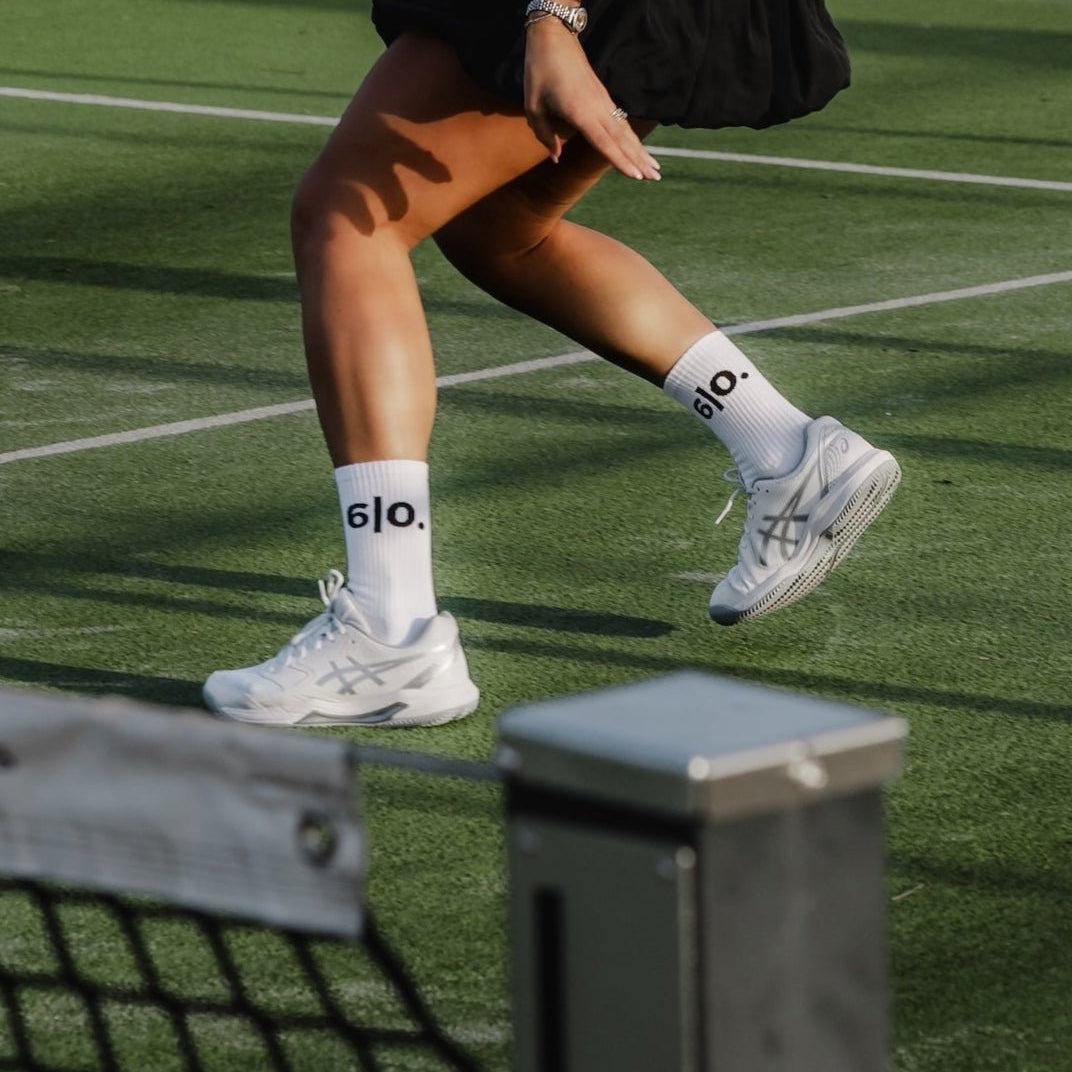
Equipment requirements are minimal and straightforward. Unlike many sports with complex gear considerations, padel requires only comfortable athletic wear, court shoes, and a racket—which most facilities provide for beginners. This simplicity removes significant barriers to entry that often discourage women from trying new athletic pursuits.
Finding facilities has become increasingly easy as the sport expands across America. Major metropolitan areas now boast multiple dedicated padel clubs, while many tennis centers, fitness complexes, and country clubs have added padel courts to meet growing demand.
Most padel clubs offer structured pathways designed specifically for newcomers. These typically include introductory clinics, beginner-friendly social events, and progressive lesson plans that build skills methodically. Many facilities provide women-specific programming that addresses common concerns and creates comfortable learning environments.
For those wondering about specific requirements: padel welcomes players of all fitness levels, with the game adaptable to various physical capacities. Finding partners is rarely an issue, as most clubs maintain player networks and organized play sessions specifically designed to match participants of similar abilities. Age is truly just a number in padel, with active players ranging from teenagers to those well into their senior years.
For your first visit, simply bring athletic attire, comfortable court shoes, water, and an open mind.
Most facilities provide all necessary equipment for beginners, allowing you to experience the sport before investing in personal gear. Many clubs offer discounted introductory sessions specifically designed to welcome newcomers comfortably.
Conclusion
Padel represents a remarkable convergence of accessibility, community, physical benefits, and pure enjoyment that has resonated deeply with American women. The sport's ability to welcome participants of all backgrounds, ages, and athletic abilities while still providing genuine fitness benefits and competitive opportunities has positioned it uniquely in the athletic landscape.
As court construction continues to accelerate across the country, more women will discover this engaging activity that bridges the gap between serious sport and social recreation. The inclusive culture that has developed around padel provides a refreshing alternative to the often-intimidating environments found in many traditional sports settings.
Whether you're seeking a new fitness routine, meaningful social connections, competitive outlets, or simply a joyful activity that doesn't feel like exercise, padel offers a compelling proposition. The community of women already embracing this sport stands ready to welcome newcomers with open arms, helpful guidance, and shared enthusiasm.
The padel revolution is well underway in America, and women are not just participating—they're leading the charge, reshaping the sporting landscape, and creating communities that celebrate athletic achievement alongside genuine connection. Consider this your invitation to join them on the court.
Frequently Asked Questions
What makes padel more attractive to women compared to other sports?
Padel combines social interaction, easy learning, and a welcoming environment—making it enjoyable and accessible for women regardless of prior sports experience.
Is padel suitable for beginners or those who haven't played racket sports before?
Absolutely! Padel is designed for all experience levels, with simplified rules and forgiving equipment, making it perfect for first-timers.
Are there women-only padel leagues or clinics in the US?
Yes. Many clubs now offer women-only events, leagues, and clinics, encouraging newcomers and building community in a supportive setting.
How does padel benefit women's fitness and well-being?
Padel offers a full-body workout, improves agility and cardiovascular health, and reduces stress—without the high injury risks sometimes associated with other racquet sports.
How do I get started with padel if there aren't clubs near me yet?
Research emerging padel facilities in your area, join online communities to connect with other women interested in the sport, and encourage local sports centers to consider adding padel courts.