












Padel Rules Explained: A Complete Beginner's Guide
Padel is one of the fastest-growing racket sports in the world, and part of its appeal is how quickly beginners can pick up the basics. Unlike tennis, you don't need years of practice to enjoy a competitive rally. Here's a clear breakdown of the court, equipment, and rules so you can step onto the court with confidence.
The Court
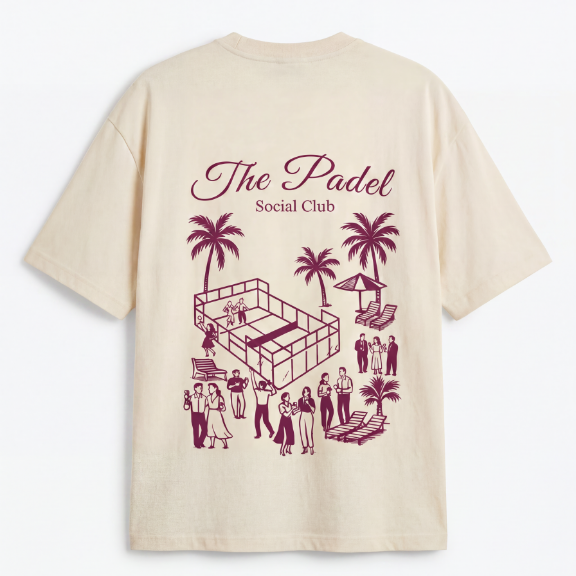
A padel court measures 20 metres long by 10 metres wide, roughly a third the size of a tennis court. It's enclosed by glass and metallic mesh walls, reaching 3 to 4 metres high, and divided in half by a net set at 88cm. The enclosed walls are what make padel unique - the ball can bounce off them during play, keeping rallies alive far longer than in tennis.
Equipment
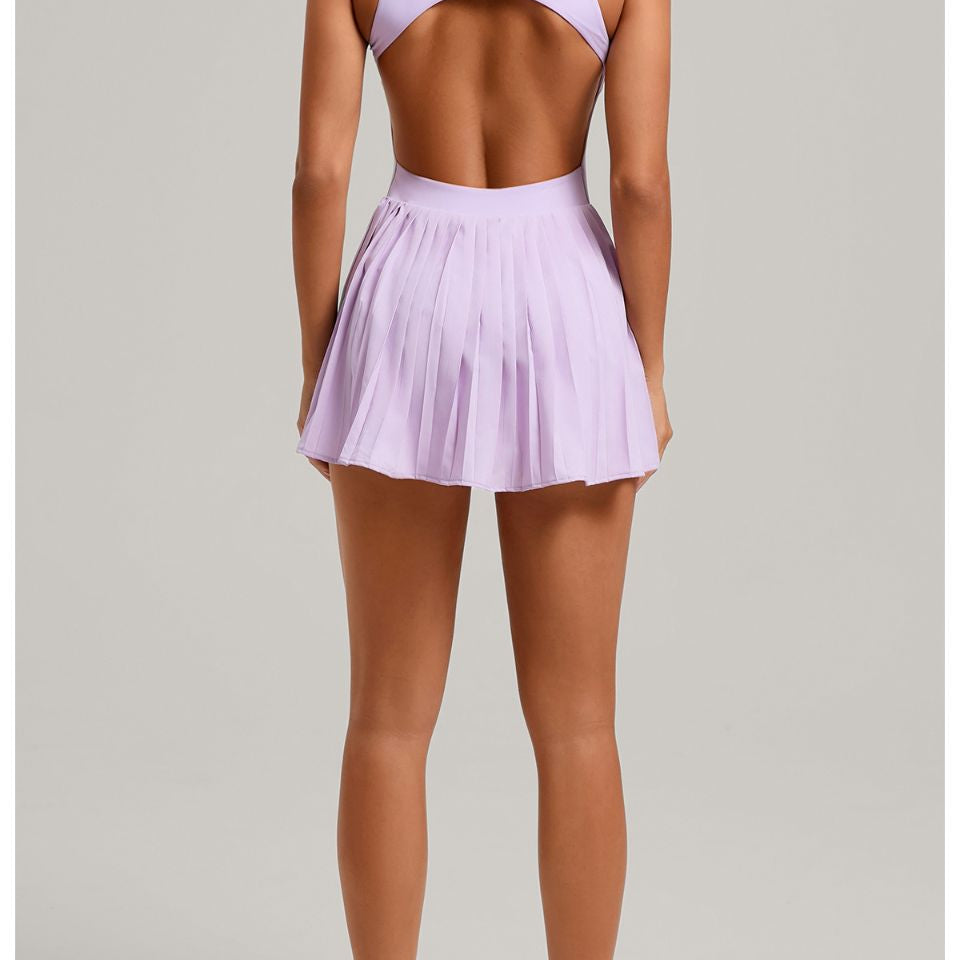
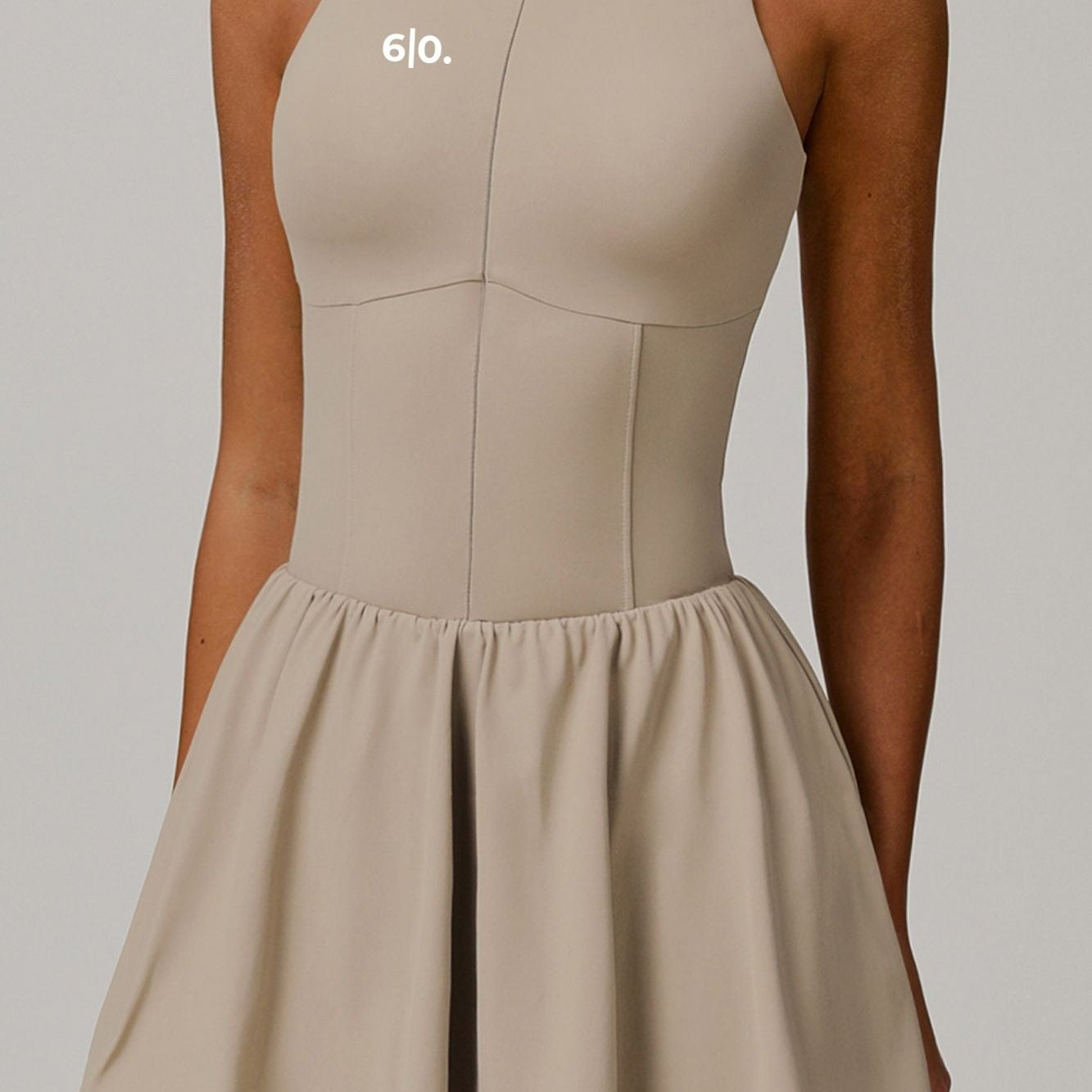
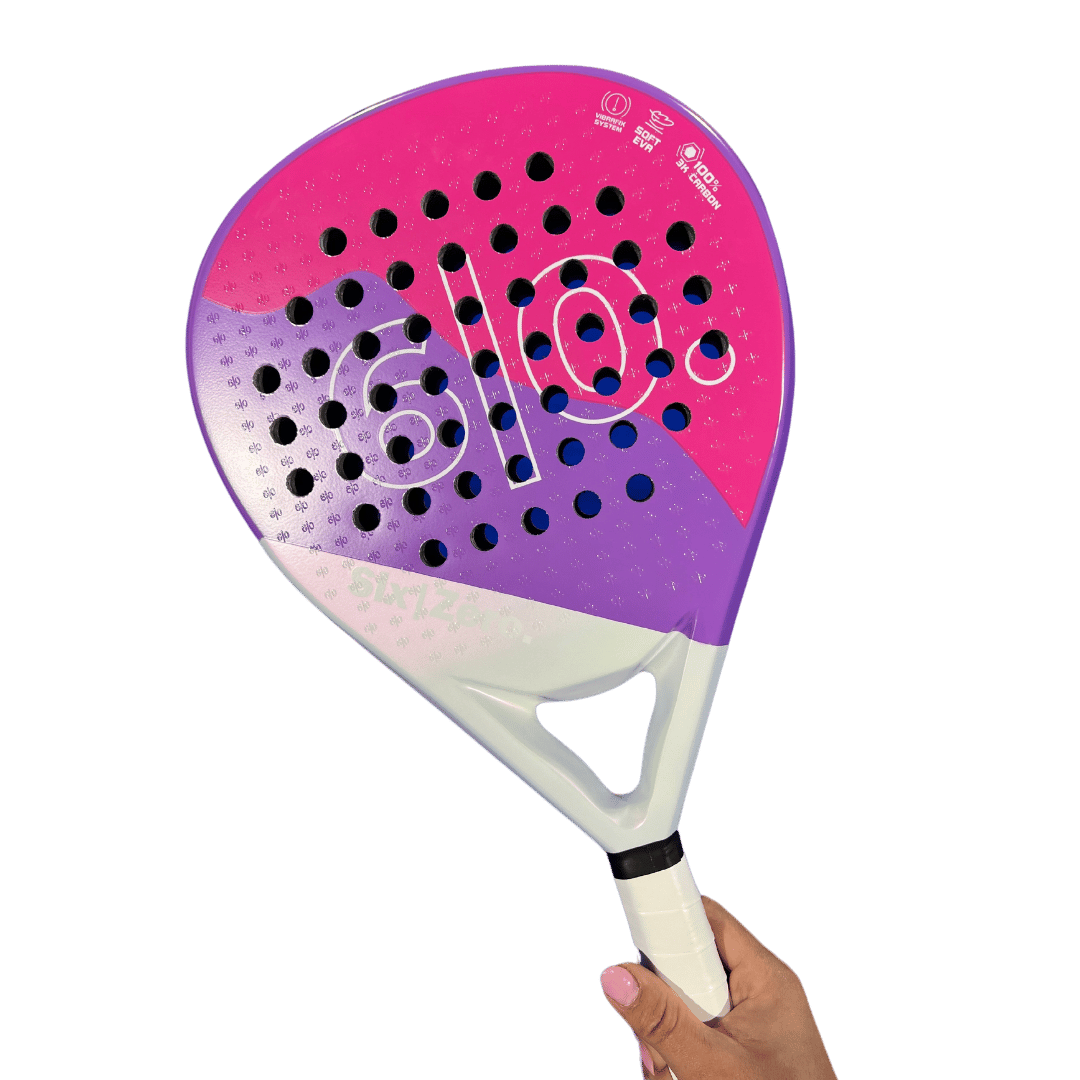
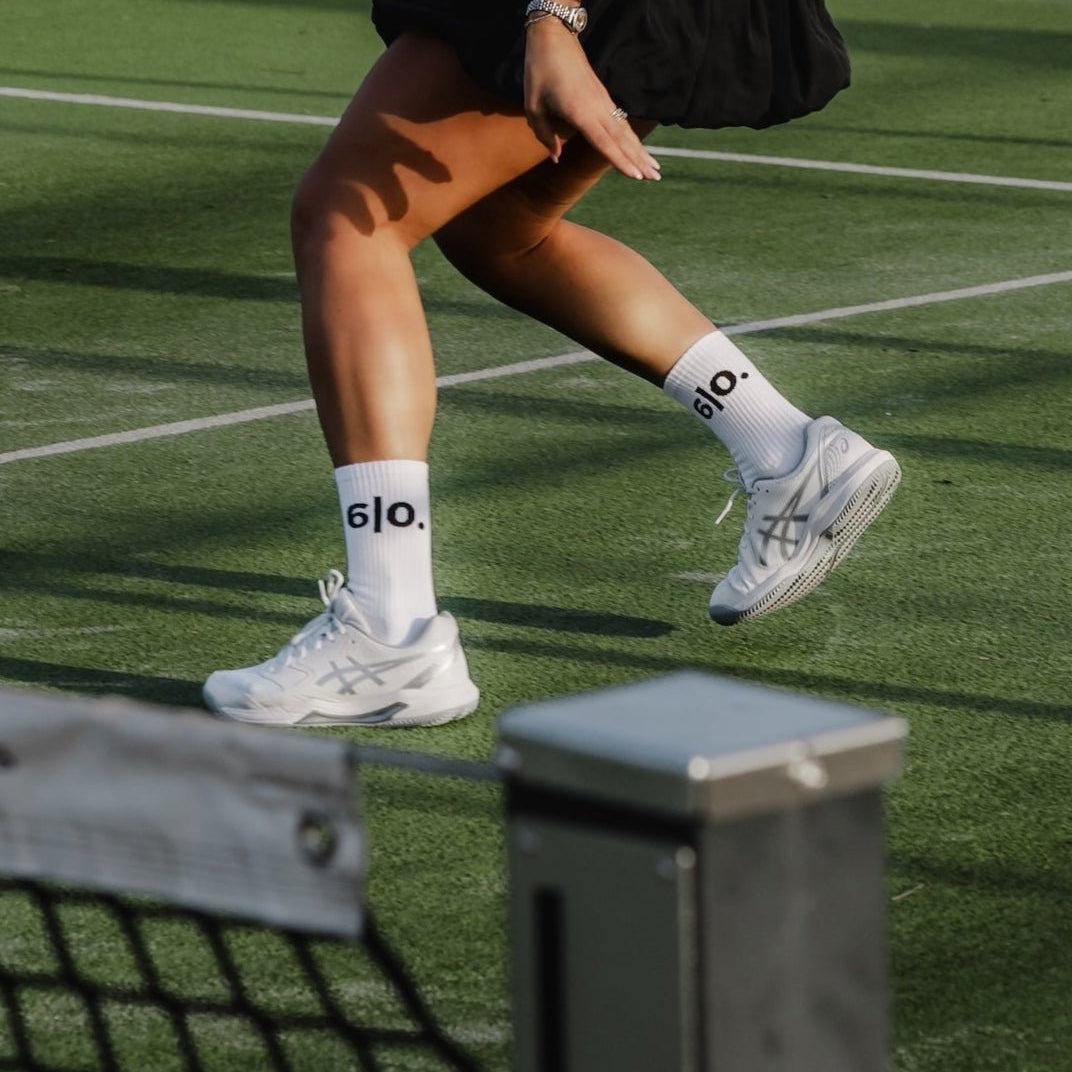
Padel rackets (often called "palas") are solid, stringless bats made from carbon fibre, fibreglass, or EVA foam composites, with small perforations across the hitting surface. Padel balls look similar to tennis balls but are slightly less pressurised, making them a touch slower and easier to control. On the clothing side, lightweight, breathable, four-way stretch fabric matters far more in padel than in most other racket sports, since matches involve constant lateral movement, lunges, and quick direction changes.
How to Serve
Padel serves are always underhand. The server must bounce the ball behind the service line and strike it below waist height, hitting diagonally into the opponent's service box. Each player gets two attempts per point, just like in tennis.
Wall Play - The Defining Feature
After the ball crosses the net and bounces once on the ground, it can be played off the side and back walls before being returned - but not off the opposing team's walls before it bounces. This creates dynamic rallies with rebounds and angles that don't exist in tennis, and it's the main reason points in padel tend to last longer and feel more forgiving for beginners.
Scoring
Padel uses traditional tennis scoring: 15, 30, 40, game. If the score reaches 40-40 (deuce), most recreational and club matches play a golden point - whoever wins the next point wins the game, with no advantage scoring. Sets are typically played to 6 games, and matches are best-of-three sets.
Doubles Only
Padel is played exclusively in doubles - two players per side, four on court. This makes it inherently social and a big part of why it's become such a popular way to meet people and stay active, whether you're playing competitively or just for fun with friends.
Common Beginner Mistakes
New players often try to hit with tennis-level power, which usually leads to unforced errors once the ball rebounds unpredictably off the walls. Padel rewards control, positioning, and patience over raw power - focus on getting the ball back in play and let the walls do some of the work for you.
Ready to Play?
Once you know the basics, all you need is a racket, comfortable non-marking court shoes, and apparel that moves with you. Shop Six'o Apparel's padel collection for lightweight, breathable pieces designed for exactly this kind of movement.